Aston Martin F1’s AMR26 faces early performance issues in 2026 testing. Mike Krack addresses Lance Stroll’s frustrations, emphasizing critical driver feedback.
Aston Martin F1 Grapples with AMR26 Challenges: Leadership Acknowledges Driver Frustrations
The unveiling of the AMR26, Aston Martin F1’s latest contender, has been met with significant scrutiny, particularly after initial pre-season testing in Bahrain. While the Formula 1 off-season is often shrouded in secrecy and strategic misdirection, especially when new regulations are introduced, the team’s visible disappointment with the AMR26’s performance was undeniable. Even seasoned driver Fernando Alonso hinted that the current state of affairs suggested a challenging start to the season. The journey to unlock the full potential of the AMR26, and perhaps even discover the best AMR26 setup, appears to be a steep uphill climb.
Initial Setbacks and Performance Concerns for the AMR26
The early phase of testing in Bahrain delivered a stark reality check for Aston Martin. Despite the customary veil of secrecy that often characterizes pre-season preparations, particularly in years marked by substantial regulatory shifts, the team’s dissatisfaction with the AMR26’s on-track capabilities was quite apparent. Fernando Alonso, a driver renowned for his candid assessments, also conveyed that the current trajectory pointed towards a difficult commencement to the racing calendar. This collective sentiment underscored the immediate need for significant improvements to the AMR26.
Stroll’s Challenging Debut with the AMR26
Lance Stroll experienced a particularly trying first day of testing, managing a mere three laps during the afternoon session. This severely limited his initial data collection and understanding of the AMR26. Subsequent days brought little relief, as his lap count only marginally surpassed that of Valtteri Bottas during the morning session, a period when the Finnish driver was contending with issues in his Cadillac-powered car. This early struggle highlighted the fundamental difficulties Aston Martin was facing with their new machine. With only three additional testing days remaining, the team is under immense pressure to reverse this trend and make substantial progress with the AMR26, indicating a long road of development ahead for the AMR26 2026 season.
Aston Martin’s Leadership Addresses AMR26 Performance
In the wake of these early struggles and the candid remarks from their drivers, Aston Martin’s trackside leadership has stepped forward to address the situation surrounding the AMR26.
Mike Krack, the team principal, offered a measured response to Lance Stroll’s outspoken criticisms, emphasizing the paramount importance of driver feedback in the complex world of Formula 1 development.
His comments underline a critical aspect of modern F1: the symbiotic relationship between human intuition and advanced engineering, especially when striving to develop the best AMR26 possible.
The Critical Role of Driver Input for the AMR26 2026 Season
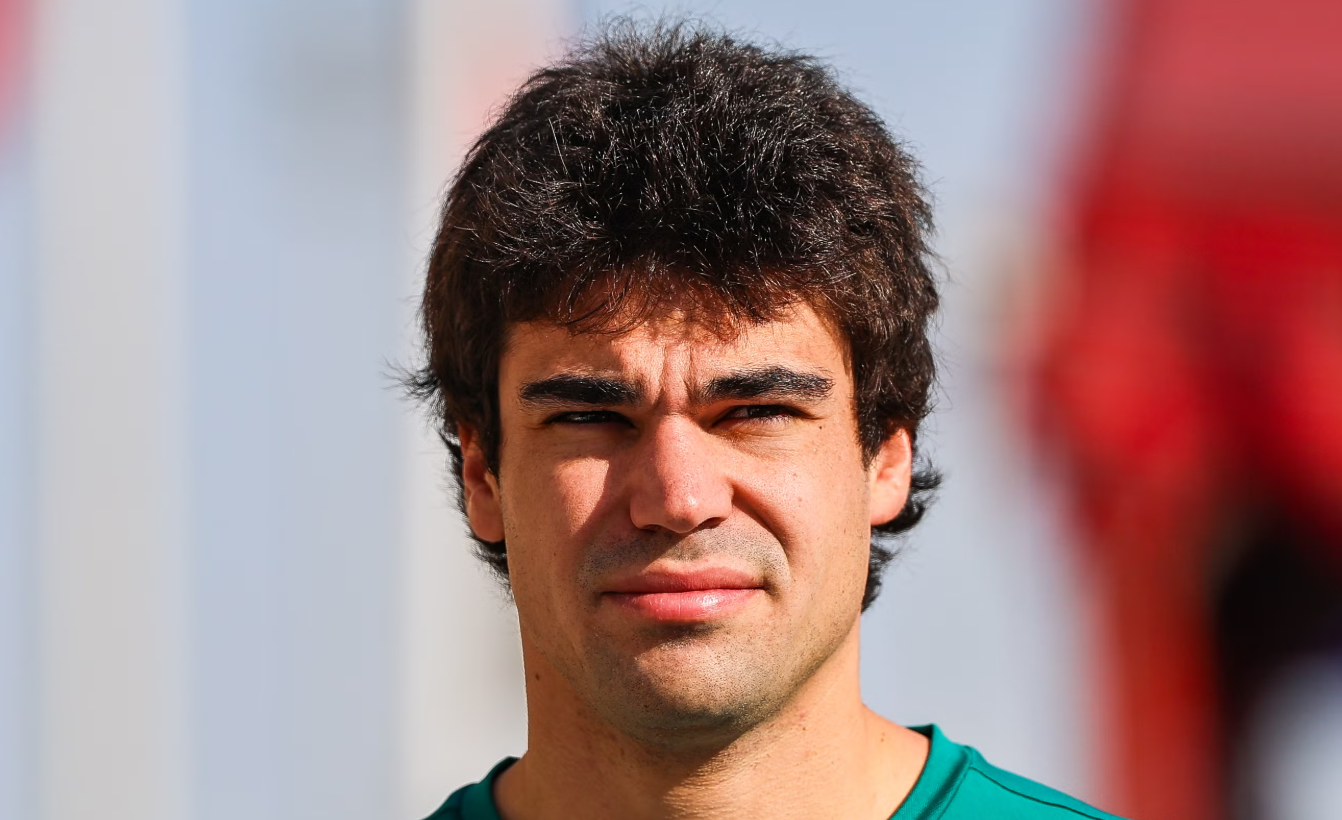
Lance Stroll, typically reserved in his interactions with the media, did not hold back when questioned about the AMR26.
Following his initial experience in the cockpit, the Canadian driver unequivocally stated that the Honda power unit was not the sole source of their performance deficit.
He articulated that the issues stemmed from a “combination of factors: engine, balance, and grip,” rather than a singular problem.
Stroll’s stark assessment placed the team “four seconds, four and a half seconds” behind the front-running competitors.
A significant margin that immediately raised concerns about the AMR26 2026 package.
The 2026 season is set to introduce a plethora of regulatory changes, most notably the implementation of active aerodynamics, which will supersede the current Drag Reduction System (DRS).
In statements reported by ‘RacingNews365’, Mike Krack underscored that such direct feedback from drivers should not be perceived negatively.
He asserted, “Well, drivers are everything. Drivers are the most important thing in all of this. That’s why we must take what they say seriously.
” This perspective is echoed by legendary designer Adrian Newey, who has consistently highlighted the indispensable nature of driver feedback.
Particularly during periods of significant technical evolution. Krack further elaborated on this, stressing the necessity for the team to meticulously attend to every evaluation:
“You have to listen to their problems; it’s important to know them, because there is still a human factor;
With all the engineering, with all the energy we discuss, there is a human factor, and that is something that remains the most important factor.”
This intricate interplay between cutting-edge technology and human perception forms the core of any comprehensive guide AMR26 development strategy.
Navigating High Expectations and Technical Hurdles for the AMR26
The Aston Martin project, backed by substantial investment and ambitious goals, carries a heavy burden of expectation.
Stroll’s candid remarks about the AMR26’s performance therefore triggered considerable alarm within the team and among its supporters.
Krack openly conceded that the Silverstone-based squad had not yet “hit the nail on the head” in terms of car development, expressing his full understanding of Stroll’s frustration.
The desire to be at the forefront of the grid, to consistently challenge for top positions, is a natural aspiration for any competitive driver, and the current state of the AMR26 was clearly falling short of these hopes.
Strategic Integration: Honda Power, Wind Tunnel, and Facilities for the AMR26
The current season represents a complex puzzle for Aston Martin, with numerous critical components needing to seamlessly integrate for optimal performance.
This year marks a period of profound transformation for the team, encompassing the introduction of a new Honda power unit.
Operationalization of their bespoke wind tunnel, and the full utilization of their state-of-the-art facilities. Each of these elements, while promising, presents its own set of integration challenges.
The team’s ability to rapidly adapt and synchronize these new assets is paramount if they are to compete effectively with their well-established rivals. Krack articulated this responsibility clearly, stating that it is incumbent upon the team to “provide the tools” necessary for their drivers to perform at a competitive level.
This holistic approach is vital for any guide AMR26 development, aiming to create the best AMR26 package.
Competitor Performance and the Road Ahead for the AMR26
While Aston Martin grappled with its initial AMR26 challenges, other teams showcased promising early form.
Fernando Alonso managed to somewhat alleviate the growing sense of alarm during the second day of testing by completing nearly a hundred laps across both sessions.
However, the Spanish driver’s lap times were not particularly competitive, a trend that unfortunately persisted throughout the remainder of the Bahrain tests.
This indicated that while mileage was being accumulated, raw pace was still lacking in the AMR26.
Meanwhile, the performance of rival power units became a significant talking point. Mercedes, for instance, shed its customary low-key approach during the final day of testing, with Andrea Kimi Antonelli and George Russell setting the two fastest times. This demonstrated a clear step forward for the German manufacturer.
Red Bull, another front-runner, successfully accumulated extensive mileage without encountering significant issues, highlighting their reliability and strong baseline performance.
Furthermore, Ferrari’s power unit emerged as one of the standout revelations of the pre-season.
Both Lewis Hamilton and Charles Leclerc posted impressive times, and even customer team Haas enjoyed a surprisingly prominent role, showcasing the strength and potential of the Ferrari engine package.
These strong performances from competitors underscore the urgency for Aston Martin to quickly address the shortcomings of the AMR26 and find a path to unlock its true potential, especially as the AMR26 2026 regulations loom large.
Tactical Analysis: Unpacking the AMR26’s Early Struggles
The early performance of the AMR26 suggests a multi-faceted challenge for Aston Martin. Stroll’s feedback—highlighting engine, balance, and grip issues—points to a fundamental lack of harmony within the car’s design. In the context of the AMR26 2026 regulations, which introduce active aerodynamics, achieving this harmony is more critical than ever.
Active aero systems, replacing DRS, demand a car that is inherently stable and predictable across varying downforce levels. If the baseline balance and grip are already compromised, integrating complex active aerodynamic elements will only exacerbate the problem, making it incredibly difficult to find the best AMR26 setup.
From an expert perspective, the “four-second gap” mentioned by Stroll is alarming. While pre-season testing times are notoriously misleading, such a significant deficit, even if exaggerated, indicates a deep-seated issue rather than minor tuning problems.
This isn’t merely about finding a few tenths; it suggests a conceptual flaw or a significant underperformance in key areas.
The new Honda power unit, while a long-term strategic asset, adds another layer of complexity.
Integrating a new engine supplier with a completely new chassis and a new wind tunnel facility is a monumental task. Each element needs to be optimized not in isolation, but as part of a cohesive package.
A comprehensive guide AMR26 development would emphasize iterative design and rigorous simulation, but real-world track time is irreplaceable, and Stroll’s limited running was a major blow.
The comparison with competitors is particularly telling.
Mercedes’ strong showing, Red Bull’s reliability, and Ferrari’s power unit revelation all indicate that other teams have managed the transition to the new regulations more effectively, or at least started from a stronger foundation.
This puts immense pressure on Aston Martin to not only identify the root causes of the AMR26’s underperformance but also to implement solutions at an accelerated pace.
The “human factor” that Krack highlighted, referring to driver feedback, becomes the most valuable data point in this scenario.
Simulations and wind tunnel data can only go so far; the nuanced feel of a driver like Stroll or Alonso is crucial for fine-tuning a complex machine like the AMR26.
Curiosities and Interesting Facts
- Lance Stroll, typically reserved with the press, openly criticized the AMR26’s performance, stating it was “four seconds, four and a half seconds” behind the leading team.
- On the first day of testing in Bahrain, Lance Stroll completed only three laps during the afternoon session, severely limiting his initial track time with the AMR26.
- The 2026 Formula 1 season will introduce active aerodynamics, replacing the traditional Drag Reduction System (DRS), adding a significant new technical challenge for cars like the AMR26.
- Aston Martin’s 2026 project involves integrating a new Honda engine, their own newly built wind tunnel, and updated facilities, all at once.
What were the main issues Lance Stroll identified with the AMR26?
Lance Stroll indicated that the AMR26’s problems were not solely due to the Honda engine but a combination of factors.
Specifically mentioning issues with the engine’s performance, the car’s balance, and overall grip.
He estimated the car was significantly off the pace, about four to four and a half seconds behind the leading competitors.
How important is driver feedback for the AMR26’s development, according to Mike Krack?
Mike Krack, Aston Martin’s Team Principal, stressed that drivers are “everything” and “the most important thing” in the development process.
He emphasized that their feedback, even if critical, must be taken seriously because the “human factor” remains paramount despite all the engineering and technical discussions.
What significant regulatory changes are coming in the AMR26 2026 season?
The 2026 Formula 1 season will see substantial changes, including the introduction of active aerodynamics, which will replace the current Drag Reduction System (DRS).
This will require teams like Aston Martin to adapt their car designs, such as the AMR26, to manage dynamic aerodynamic profiles.
How did competitors perform during the Bahrain tests compared to the AMR26?
During the Bahrain tests, several competitors showed strong performances. Mercedes abandoned its low-profile approach, with Antonelli and Russell setting top times.
Red Bull accumulated significant problem-free mileage, demonstrating reliability.
Ferrari’s power unit was a major revelation, with both factory and customer teams like Haas posting competitive times, highlighting a strong start for their engine package.
Road ahead for the AMR26 is undoubtedly challenging, requiring Aston Martin to meticulously address the identified issues and strategically integrate its new technical components.
Pursuit of the best AMR26 will demand relentless effort and a keen understanding of the evolving technical landscape of Formula 1.
The insights from this guide AMR26 development highlight the complexities involved in competing at the pinnacle of motorsport.